You make the decisions, Q Point provides the information you need.
Q Point is the operating system for asphalt construction. With Q Plant, you can manage your mixing plant efficiently: from digital ordering to delivery, with the information you need to make informed decisions.
These companies trust us


















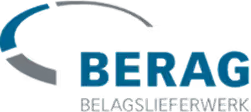


High order volumes, tight time windows, and daily coordination.
In your asphalt mixing plant, demand, production, and transport must be perfectly aligned. When information arrives through various channels, every change costs extra time.
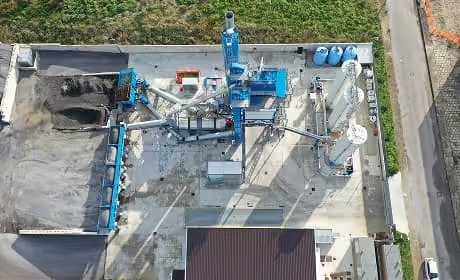
Fluctuating production demand
Last-minute orders, changes in quantity, and rescheduled installation dates impact your entire daily workflow.

Communicate changes quickly and precisely
Information between customers, dispatch, the weighbridge, and production often flows through disparate channels.
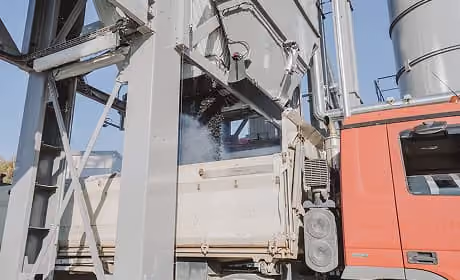
Trucks are waiting, phones are ringing.
Without synchronized data, it is difficult to keep track of order statuses, upcoming shipments, and delivered quantities.
With high operating costs and tight margins, every production day is a challenge.
Energy, materials, and transport define your cost structure. To operate profitably, you need a clear view of demand, production workflows, and the performance of your locations.
High energy and material costs
Energy-intensive processes leave little room for avoidable losses. Transparent operational data helps you identify trends and target areas for optimization.
Fluctuating capacity utilization and tight delivery schedules
Demand spikes and last-minute changes complicate planning. When quantities and time windows don't align, it leads to waiting times at the plant and on the construction site.
Frequent recipe changes and residual quantities
The sequence of your orders impacts the production day. Coordinated planning helps you minimize mix changes and avoid unnecessary surplus.
Limited transparency across your locations
Fragmented information makes comparisons and decisions difficult. A common data basis makes quantities, processes, and available operational metrics easier to track and plan.
In the past, many things were handled by phone or manually. Today, we see in real time what is happening, where bottlenecks are, and where we can improve. This creates transparency—not for the sake of control, but for the sake of understanding.
Asphalt Plant Operator
Centrally manage all your construction project workflows.
With Q Plant, you connect orders, delivery information, and your production planning. Your team works from a shared foundation and keeps an eye on the current status.
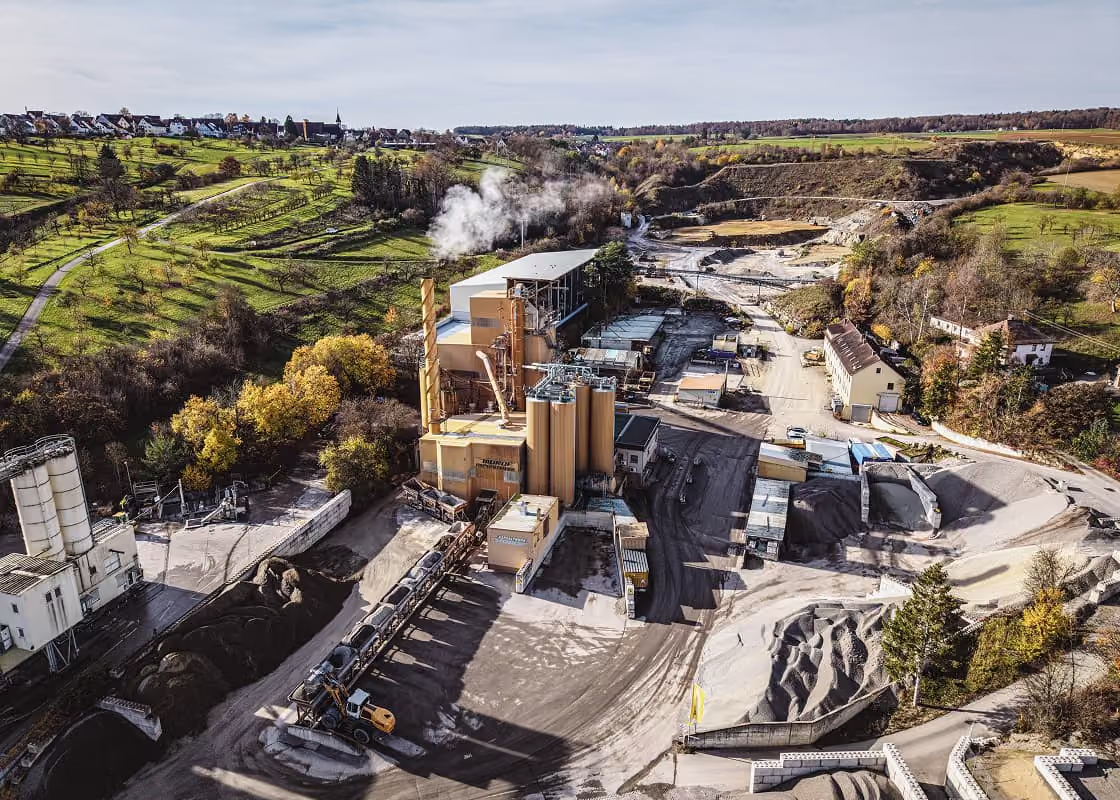
A seamless document chain from contract to invoice.
Orders arrive directly in your planning system with quantity, mix type, and schedule. If anything changes, you see it immediately and can track exactly what was modified. Contracts, orders, delivery notes, and invoices remain linked throughout the process. This eliminates rework and provides full documentation for any queries or complaints.
Receive orders via app or web access
Manage order statuses and changes centrally
Assign digital delivery notes to the corresponding order
Contract, order, delivery note, and invoicing in a seamless document chain
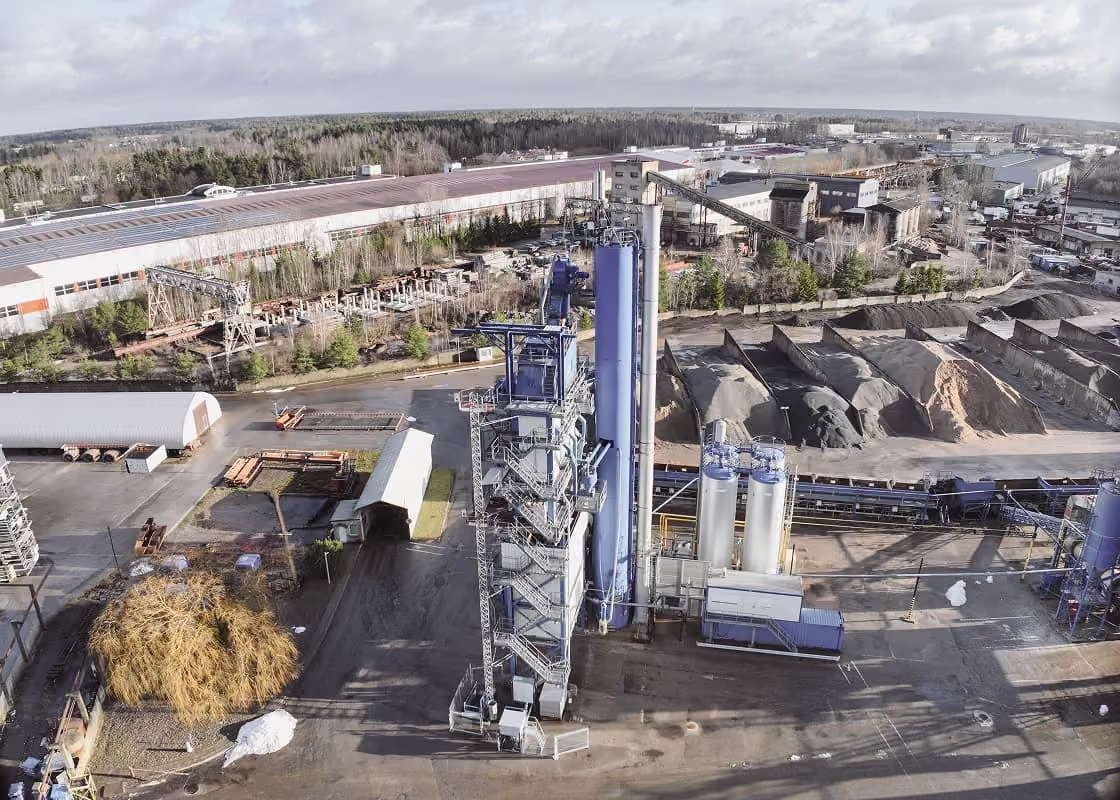
Align production requirements with delivery processes.
Keep an eye on ordered and delivered quantities. With the add-on for dynamic production planning, you can generate a proposed production schedule based on your orders.
Clearly analyze quantities and delivery statuses
Identify production batches and recipe changes
Adjust sequences to your production day
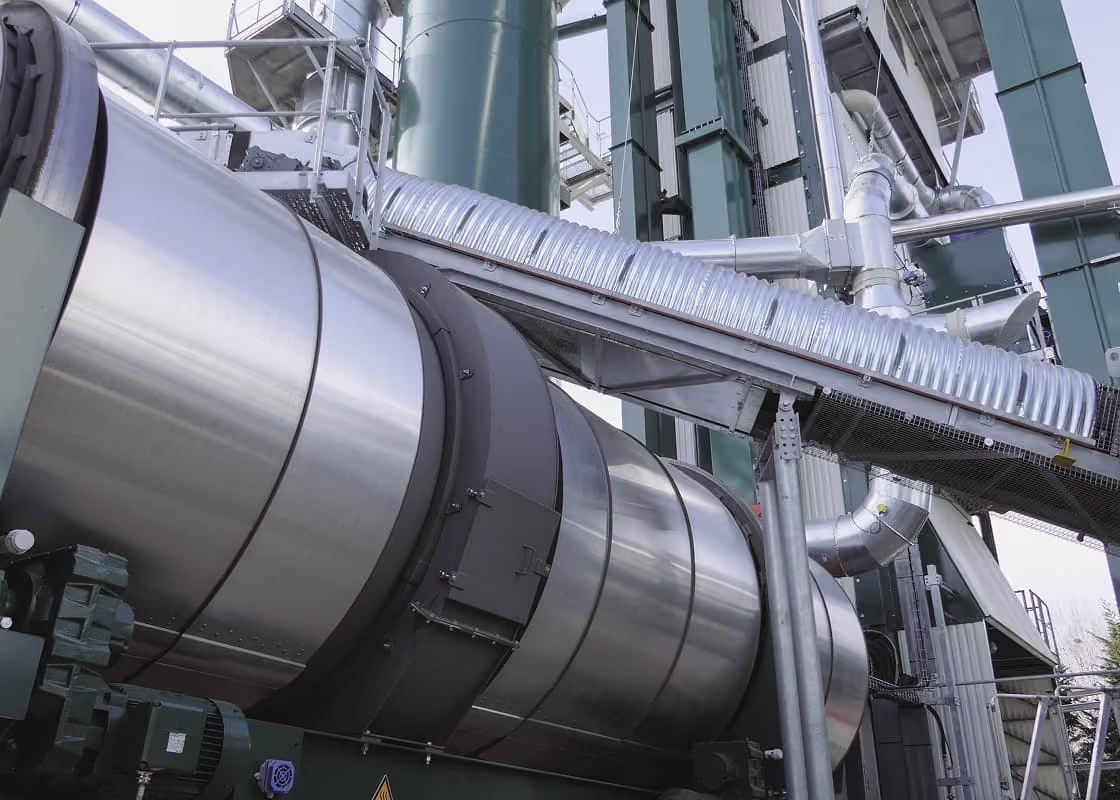
Connect your systems and leverage your data.
Q Plant can be integrated into your internal IT system landscape as needed. Whether it's CRM, production control, weighing systems, inventory management, or quality control – connect your existing systems with Q Plant.
Clarify integration of scales and commercial systems
Consolidate order and delivery data in dashboards
Targeted analysis of operational and production data
From the initial order to transparent delivery status.
1
Consolidate orders
Digitally record and collaboratively manage quantities, mix types, and schedules.
2
Plan production
Coordinate ordered requirements, production batches, and available time slots.
3
Monitor deliveries
Provide and synchronize delivery information between the plant, transport, and construction site.
4
Analyze data
Easily track delivered quantities and available key performance indicators.
The right solution for every company structure.
Whether you produce asphalt, build roads, or combine both areas: Q Point helps you digitize your operational processes and exchange information efficiently.
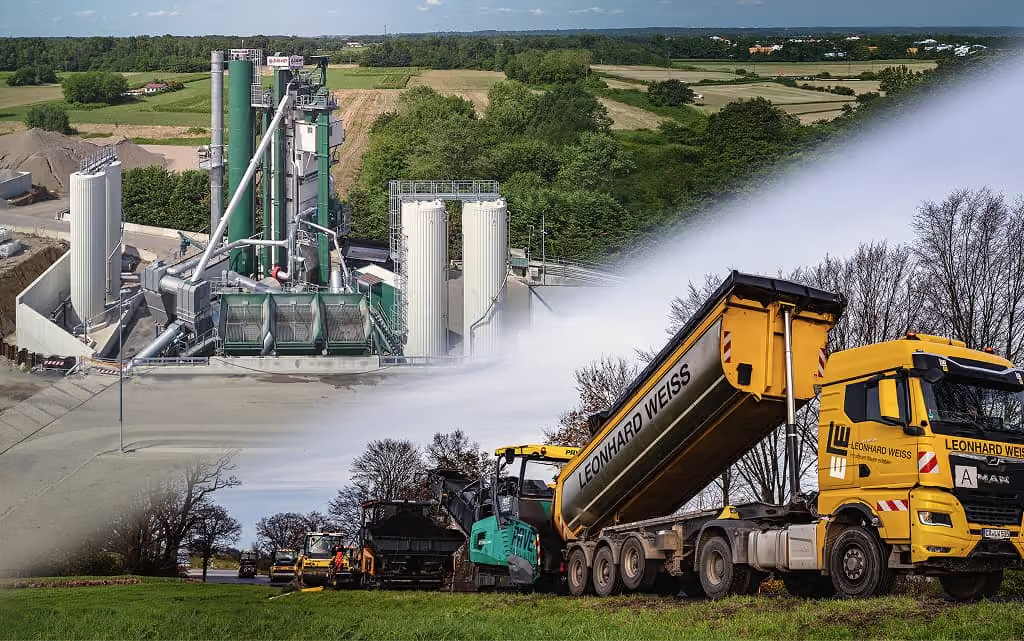
Q Point for construction companies with mixing plants
With both Q Site and Q Plant, you can connect mixing plants and construction sites, seamlessly coordinating orders, production, transport, and construction execution.
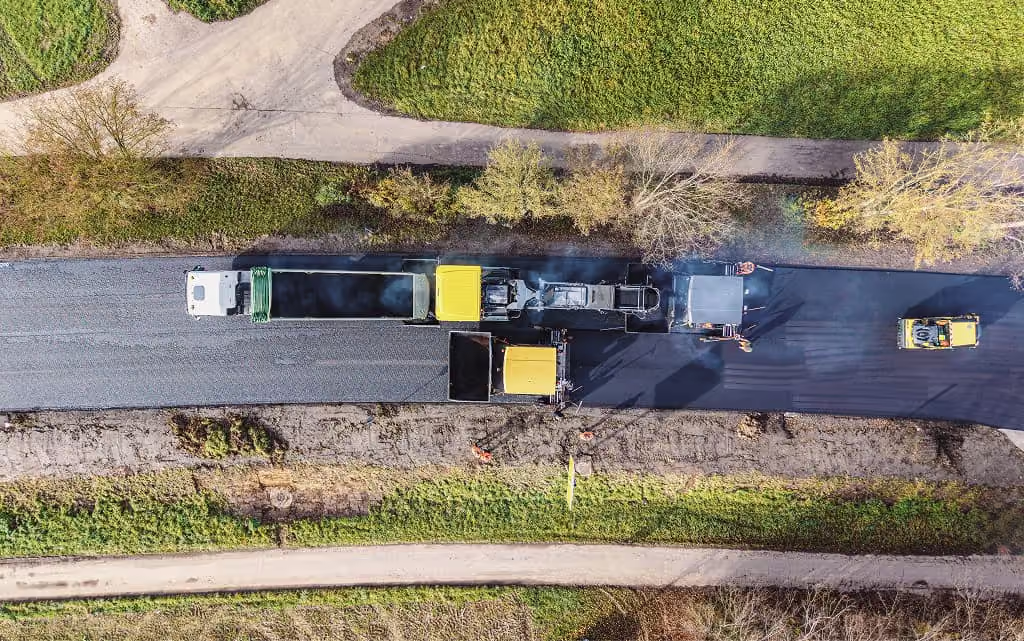
Q Point for construction companies
Connect the planning, material supply, and documentation of your construction sites. With Q Site, relevant information for your construction projects is available in one place.
Frequently asked questions about Q Point
What is Q Point?
Q Point is a software provider headquartered in Langenthal (Switzerland) with offices in Vienna and Hennef, specializing in asphalt road construction. Our solutions connect the mixing plant, trucks, and the construction site: Q Plant for the asphalt mixing plant and Q Site for the job site, complemented by the TruckBuddy app for drivers. Instead of phone chains and paper delivery notes, everyone involved works with the same up-to-date data.
Which companies is Q Point suitable for?
Q Point is designed for asphalt producers and road construction companies, ranging from owner-managed small and medium-sized businesses with a single plant to corporate groups with multiple facilities and branches. Our typical clients are mixing plant operators and road construction firms looking to streamline their operations across the plant, office, and job site while improving overall efficiency.
What are the benefits of digitizing with Q Point?
Q Point addresses the areas where time, materials, and money are currently being lost. Orders arrive at the plant complete and unambiguous, asphalt mix is produced according to demand, and it reaches the construction site at the right time. Paving crews and trucks spend less time waiting, while queries and incorrect deliveries are reduced. At the same time, you gain seamless documentation that verifies quality and provides support in the event of complaints. Furthermore, management can make decisions based on real-time data rather than guesswork.
How does the digital ordering and delivery process work?
The site manager or foreman plans the installation in Q Site and orders the mix digitally from the plant. In Q Plant, the plant operator sees the order and schedules production. As the truck is loaded, a digital delivery note is generated. This is available to the construction site within minutes, including the estimated arrival time of the trucks. Process information regarding logistics is shared between the plant and the construction site.
Can the Q Point modules be used individually?
Yes, all modules are designed to be modular. You start with the module that solves your biggest bottleneck, such as Q Site or Q Plant, and gradually expand into a seamless digital process chain. Q Point delivers the greatest value when your plant, transport, construction site, and machinery all work together.
Does investing in Q Point pay off?
Value is created where hidden costs currently arise: incorrect materials, crews and equipment waiting for asphalt, trucks stuck in traffic before the paver, shortages, follow-up phone calls, and disputes over defects without documentation. Avoiding just a single rework event on a major project can exceed the annual license costs. We would be happy to calculate the return on investment with you based on your specific projects and facilities.
What does it cost to stick with phone calls, paper, and Excel?
The costs of manual processes don't appear on any invoice, but they certainly show up in your margins. A paving crew standing idle with a paver, rollers, and trucks can easily cost thousands per hour. Unclear orders lead to incorrect deliveries. Vague quantity estimates result in costly re-production or returns. Rework typically eats up 15 to 30 percent of a project's value. And without documentation, disputes remain unresolved.
How much does Q Point cost?
Q Point is offered as a software-as-a-service with an annual license. Pricing is based on the products and service levels you choose, as well as the size of your business. Thanks to our modular design, you can start exactly where you will see the biggest impact. We will prepare a customized quote for you and would be happy to show you how the investment pays off.
What evaluations and dashboards does Q Point offer?
The evaluations are tailored to the tasks at the plant and on the construction site. In the mixing plant, Q Plant provides key performance indicators for operations, such as capacity utilization, types of mix produced, and production timelines, as well as consumption data for individual production batches. In road construction, Q Site provides key performance indicators for construction execution, such as deviations between planning and actual implementation, as well as paving temperatures and compaction quality.
Does Q Point replace employees?
No. Q Point takes routine work off your team's plate: phone calls, data entry, and sorting delivery notes. Especially with a shortage of skilled staff, this leaves more time for core tasks. Your experts' experience remains crucial, and knowledge about orders is stored in the system rather than locked away in individual minds.
Can I use Q Point on my tablet and smartphone while on the go?
Yes. There is the SiteBuddy app for the construction site and the TruckBuddy app for truck drivers. The apps are available for Android and Apple iOS. In the office and at the plant, you work via the web platform. Everyone accesses the same up-to-date data, even while on the move.
In which languages and countries is Q Point available?
The interface is available in 14 languages, with more being added regularly. Q Point has locations in Switzerland, Austria, and Germany, serving clients primarily in German-speaking regions as well as other European countries. We implement international projects in collaboration with partners from the construction industry.
Why not develop it yourself or stick with your existing solution?
In-house developments tie up developers long-term, often depend on individual employees, and usually only cover partial processes. Isolated solutions generally stop at the factory gate. Q Point specializes in asphalt, connects the plant, transport, and construction site, and is continuously being further developed, for example for QSBW 4.0. You can integrate existing systems via interfaces.
Does Q Point grow with my company?
Yes. Q Plant and Q Site are modular in design. You can select the performance level that best suits your company's maturity and needs, and add specific features as modules whenever required. The solution grows with every additional mixing plant or new construction site, and the license fee is also scaled to the size of your business.
How do the Q Point modules support the use of temperature-reduced asphalt?
Q Plant documents the mix temperature for every batch. Q Site ensures short transport routes with no waiting times at the paver and integrates paving temperature and compaction data from the assistance systems on the paver and roller. This creates a seamless chain from the plant to the finished asphalt layer.
How does Q Point contribute to sustainability?
Digital process optimization reduces emissions and conserves resources: fewer incorrect deliveries and less rework, more efficient use of recycled asphalt, and lower energy consumption, especially when combined with temperature-reduced asphalt. The recorded quality data demonstrates your sustainability to clients.
Is there a partner network?
Yes. Q Point works with plant and machinery manufacturers, telematics and logistics providers, and software integrators. These connections are proven, and you can continue to use your preferred partners.
What does the future hold for Q Point, and what role does AI play?
Q Point develops its products in collaboration with customers, universities, industry associations, and partners. We are currently working intensively on integrating AI features into Q Plant and Q Site. Our goal is to support users in their daily work—during planning, execution, and ongoing monitoring—by having the software identify irregularities and emerging issues at an early stage. This is based on the data you are already collecting with Q Point today. Furthermore, our open interfaces ensure you have access to your data at all times, allowing you to utilize it for your own specific purposes.
What is Q Site?
Q Site is construction process support software for asphalt road construction. Construction projects, orders, status updates, and changes are shared in real time between the office, the construction site, and the supplier. This creates transparency regarding project progress and asphalt logistics, reduces errors, and enables proactive management. Process and quality data are collected automatically and made available to the client as needed.
How does Q Point improve construction quality and extend the service life of roads?
Q Point makes quality measurable: temperature recording, compaction data, and material tracking show whether specifications are being met during the paving process itself. Deviations are identified before they result in costly rework. Digital documentation provides verifiable proof of quality. A uniformly compacted road surface has a positive impact on durability and sustainability.
How can I avoid rework and disputes with customers and clients?
Q Point automatically documents what was ordered, delivered, and installed, including temperature, mix, quantity, and timestamps. This complete audit trail makes orders traceable and provides reliable evidence in the event of complaints. Digital orders also prevent misunderstandings that often arise with phone calls, emails, or WhatsApp messages.
How can I reduce installation team downtime and truck congestion at the construction site?
With Q Site, installation teams and dispatchers can see exactly when each delivery will arrive in real time. This allows deliveries and installations to be perfectly synchronized, reducing downtime for teams, equipment, and trucks. It creates reliable schedules and saves costs.
How does Q Point support the planning of complex construction sites?
Q Site supports site managers and foremen in four key areas. During the planning phase, you can map even complex workflows involving multiple paving sections and plants. The resources required for paving—from crews and equipment to asphalt mix and trucks—are perfectly synchronized. During the paving process, you monitor and manage deliveries and paving performance in real time. All operations are automatically documented, serving as proof of quality.
What is QSBW 4.0 and what requirements does it place on my construction company?
QSBW 4.0 requires construction companies to digitize their quality assurance: recording processes, documenting data, and exchanging results in real time. Q Point is here to help. Quality data is captured via Q Site, stored centrally, and shared with clients or authorities through the IntegratorApp.
What do I need for a QSBW 4.0-compliant construction site, and how does Q Point support this?
You need three things: digital data collection, real-time communication, and verifiable quality documentation. Q Site Professional documents construction processes directly on-site, and the IntegratorApp interface automatically transmits the data to clients or authorities. This allows you to demonstrate digitalization, quality, and sustainability without the need for additional tools or manual records.
Why are public sector clients turning to digital records in road construction?
Digital records enable objective and verifiable quality assessment. Data from production, transport, and installation transparently demonstrate whether material, temperature, and time specifications have been met. This provides clients with clear proof of quality rather than relying on paper-based documentation—a significant step toward greater efficiency and transparency in construction project management.
What does "digitalization as an award criterion" actually mean?
More and more tenders are evaluating the use of digital quality assurance systems in addition to price and schedule. Companies that work with Q Point can demonstrate that they monitor and document construction processes digitally. This improves their chances of winning contracts and helps clients award projects based on measurable quality standards.
Why is digital construction process support important for temperature-reduced asphalt (TMA)?
With temperature-reduced asphalt (TMA), the window for transport and compaction is tighter, and there is less room for error. To use TMA economically, you must tightly synchronize production, transport, and paving while keeping a constant eye on temperatures. Q Point provides real-time mix temperatures, transport times, and compaction data. This allows you to leverage the benefits of TMA—lower energy consumption, reduced emissions, and better working conditions—while maintaining full control over quality.
What is Q Plant?
Q Plant is the operating software for asphalt mixing plants. It consolidates data from plant control, weighing systems, laboratories, and order management onto a single platform: from contracts and customer orders to production planning, delivery notes, batch logs, and energy consumption. Customers order mix digitally via self-service instead of by phone or email. With Q Plant BI, you can keep an eye on multiple plants in one dashboard.
How do I digitize ordering and order processing in an asphalt plant?
With Q Plant, customers order asphalt mixes via a self-service digital portal, eliminating the need for phone calls, emails, or WhatsApp. Orders are documented automatically, reducing errors and missed orders while lowering administrative overhead per plant. You can scale order volumes without a proportional increase in administrative workload.
How does Q Point support the production process in the mixing plant?
In the hustle and bustle of daily operations, Q Plant helps you keep track of orders, production, and deliveries, allowing you to handle last-minute changes with ease. Q Plant bridges the gap between contract and delivery, archiving all data for full traceability. It ensures a seamless handover during shift changes or staff absences, all while keeping an eye on your energy consumption and emissions.
How can I keep track of multiple plants and locations?
With Q Plant, you can manage multiple asphalt mixing plants from a single dashboard and compare production KPIs across all locations. Owners and management gain a unified view of plants and projects, eliminating information silos at individual sites. This allows pricing and capacity decisions to be based on data rather than gut feeling.
Which plant control systems and weighing systems are supported?
Q Plant supports common plant control systems such as as1, Miprotek, and Benninghoven, as well as weighing systems including as1, Batsch Butler, Pfister, CBS, and many more. We verify the compatibility of your systems in advance to ensure there are no surprises during commissioning.
I already use Ammann's PIP. Why do I need Q Plant?
PIP provides selected operating data for an individual plant. Q Plant is the next step in development: it evaluates all operating and production data and relates it to orders, customers, and construction sites. In addition, data can be analyzed and compared across multiple plants.
How quickly is Q Point ready for use?
Q Point provides the system within a few weeks. Integration into your existing system landscape typically takes a few months. The time required depends primarily on the availability of your internal IT team and your other system suppliers. Following a brief training session, your employees will be able to use the system in their day-to-day operations. It is usually fully implemented and an integral part of daily workflows after about six months.
How much effort does the implementation require from my team?
The effort required from your team remains manageable, as implementation is carried out in stages with the support of the Q Point team. You start with a module that addresses your biggest bottleneck and expand the scope as needed. Q Point assists you with integration and configuration. Through practical workshops for the factory, office, and construction site, your employees learn the new processes directly at their workstations.
What interfaces does Q Point offer?
Q Point is committed to open interfaces. Q Plant and Q Site feature publicly documented REST APIs (PlantX and SiteX) that allow for the integration of ERP, weighing systems, laboratory software, telematics, and transport systems. Some of these interfaces have already become the de facto industry standard.
Can I continue to use existing machines, equipment, and third-party hardware?
Yes. Q Point is manufacturer-independent with regard to all surrounding systems, machines, and equipment. Assistance systems on pavers and rollers, such as those from Ammann or Vögele, transmit their process data to Q Site via the open SiteX-Machines interface. Third-party telematics and tracking solutions can also be integrated. For mixing plants, we work with the existing control system. We will clarify exactly what is possible for your specific setup in advance.
What infrastructure and hardware do I need?
Very little. For Q Site and the apps, all you need is an internet connection and standard tablets or smartphones (Android or iOS). Q Plant runs in the cloud or on a server and connects to your plant control and weighing systems. The assistance systems on the paver and roller deliver machine data directly to Q Site via the interface. There is no need for a major IT project; the Q Point team will handle the integration and configuration together with you.
How flexibly can Q Point be adapted to my processes?
Modules, user permissions, views, and workflows can be individually tailored to your company's operations. This allows Q Point to reflect your specific business requirements.
Is there training and onboarding?
Yes, training and onboarding are part of the induction process, including hands-on workshops for the factory, office, and construction site. This is supplemented by on-site training and videos to help you get up to speed quickly.
Is Q Point easy for site managers, foremen, plant operators, and drivers to use?
Yes. Q Point places great importance on intuitive and easy-to-use software applications. The interfaces are tailored to each specific role: the site foreman sees their installation batches and deliveries on the tablet, the driver sees their haulage in the TruckBuddy app, and the plant operator sees their daily orders. Data is entered once and is then available to everyone, eliminating the need for duplicate entry. The interface is available in 14 languages, which is particularly important for international teams.
How are software updates handled?
Updates are performed automatically during maintenance windows, typically without any service interruption. You will receive release notes for every update, keeping you informed about new features. Bug fixes, improvements, and new features are included in the license price.
How secure is my data with Q Point?
Q Point protects your data through encrypted data transmission, secure servers, and role-based access. Data is processed and stored within the EU.
Does Q Point comply with the GDPR and other EU regulations?
Yes. Personal data is processed in accordance with the GDPR and stored within the EU; our subcontractors also meet these requirements. Furthermore, Q Point aligns with the EU Data Act and the Cyber Resilience Act. This provides you with security when dealing with clients and during audits.
How are system stability and data security guaranteed?
Cloud monitoring, automatic backups, and a redundant server infrastructure ensure system stability, with performance data accessible at all times. Daily data backups and failover mechanisms protect your information even in the event of system outages.